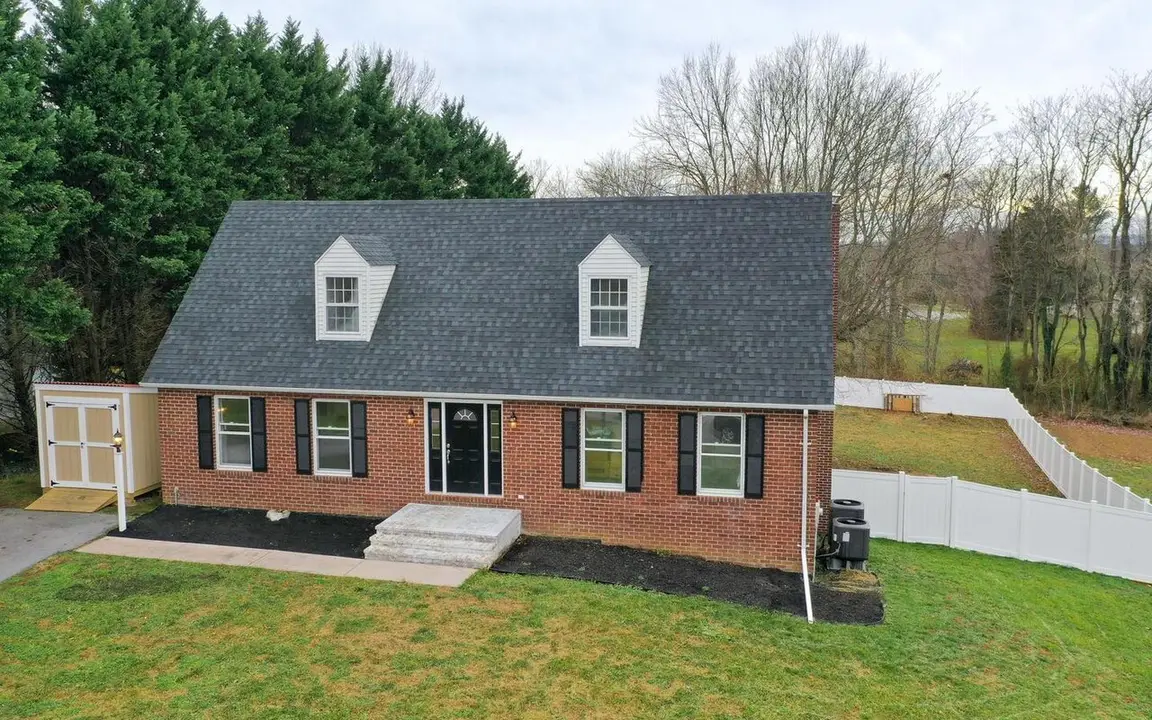

If you’re flipping houses or using hard money to fund a renovation project, After Repair Value (ARV) is the single number that determines how much you can borrow, how much profit you’ll make, and whether the deal makes sense at all. Too many investors guess at ARV — or worse, let their optimism inflate it. Appraisers don’t guess. Here’s how to think like one.
Start With True Comparable Sales
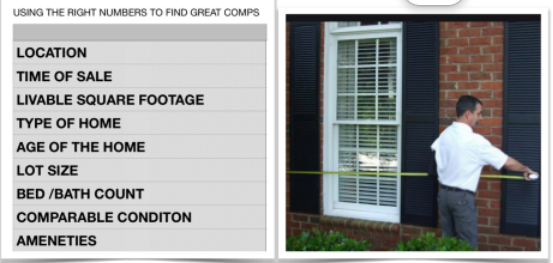
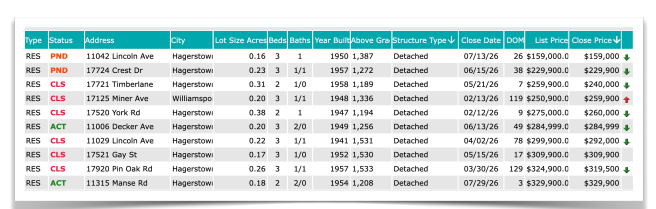
Appraisers don’t just pull the three highest recent sales in the neighborhood. They look for comps that are truly comparable: similar square footage (within 10-15%), same bedroom/bathroom count, similar lot size, and — critically — similar condition after your renovation is complete. A comp needs to have sold within the last 3-6 months and ideally within a half-mile radius. If you’re stretching further than that, you’re not comping, you’re wishing
Adjust Line by Line, Not by Gut
This is where most investors fall short. Appraisers make specific dollar adjustments for every meaningful difference between the comp and the subject property: an extra bathroom might add $8,000-$12,000, a finished basement might add $15,000-$20,000, a bigger lot might add a few thousand more. Pull actual market data for these adjustments in your area rather than using rules of thumb from a different market.
Weight Your Comps
Not all comps deserve equal say. The best comp — the one closest in size, condition, and proximity — should carry the most weight in your final number. Appraisers typically lean heavily on their top 1-2 comps and use the rest to sanity-check the range.
Sanity-Check Against Price Per Square Foot
Once you land on a number, divide it by square footage and compare that price-per-square-foot figure to the broader neighborhood trend. If your ARV implies a price per square foot well above what anything else in the area has sold for, that’s a red flag — you may be over-improving for the market. This is the “Zillow Method” try to avoid the to easy solutions like this…
Why This Matters for Your Loan
At Jump Capital, we base our lending decisions on realistic ARV — not the optimistic number a seller’s agent might throw out. Investors who estimate ARV conservatively and accurately don’t just get approved faster; they protect their margins and avoid getting stuck holding an overvalued property. Learning to think like an appraiser isn’t just an underwriting exercise — it’s a skill that will make you a sharper investor on every deal you evaluate.